

Metal fabrication has come a long way from the days of manual labor and simple tools. With the advent of advanced technology, the industry has transformed. In Hamilton, a city known for its industrial prowess, the impact of technology on metal fabrication is both profound. But how exactly has technology reshaped this vital sector? Let’s dive in and explore the myriad ways technology has influenced metal fabrication Hamilton.
Table of Contents
- The Evolution of Metal Fabrication
- Importance of Technology in Metal Fabrication
- Technological Advancements in Metal Fabrication
- Impact of Technology on Efficiency
- Cost Implications of Technological Integration
- Case Studies from Hamilton
- Enhanced Design Capabilities
- Real-World Examples
- Quality Control Improvements
- Automated Inspection Systems
- Consistency and Reliability
- Reducing Human Error
- Conclusion
- Frequently Asked Questions
- 1. How has technology transformed the metal fabrication industry in Hamilton?
- 2. What are the key benefits of adopting CNC machines in metal fabrication?
- 3. How has robotics impacted metal fabrication in Hamilton?
- 4. What role does 3D printing play in metal fabrication in Hamilton?
- 5. How has CAD (Computer-Aided Design) software influenced metal fabrication processes?
The Evolution of Metal Fabrication
Metal fabrication, which involves the creation of metal structures through cutting, bending, and assembling, has undergone significant evolution throughout history. Originating as a labor-intensive craft, it has since transformed into a highly automated and efficient industry, largely due to technological advancements.
Importance of Technology in Metal Fabrication
Technology plays a pivotal role in modern metal fabrication, revolutionizing every aspect from design to production. By integrating advanced tools such as CAD/CAM software and CNC machines, manufacturers can achieve unprecedented levels of precision and efficiency. These technologies enable intricate designs to be translated into flawless metal components with minimal error, significantly reducing waste and production time.
Technological Advancements in Metal Fabrication
CNC Machining
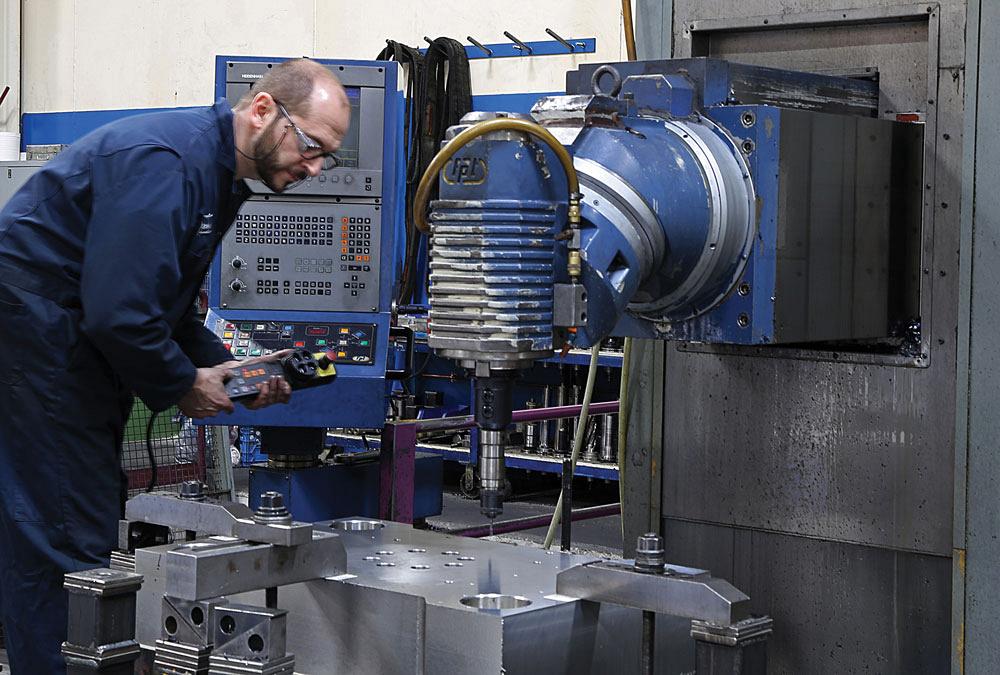
Computer Numerical Control (CNC) machining is a game-changer in metal fabrication. By using computer software to control machine tools, CNC machining allows for unparalleled precision and consistency. This technology is particularly valuable in Hamilton’s fabrication shops, where custom and complex designs are frequently required.
Laser Cutting
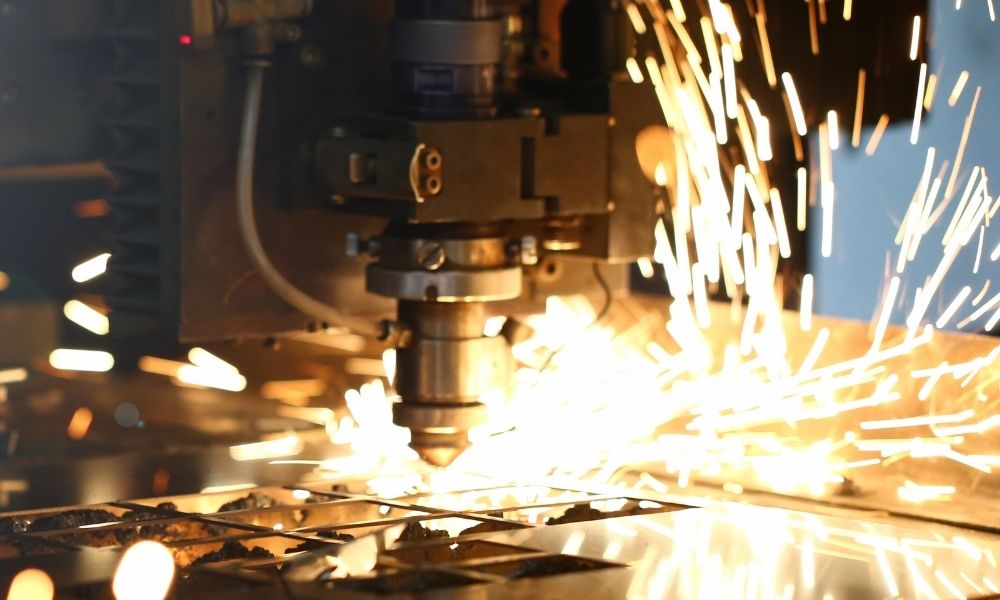
Laser-cutting technology uses high-powered lasers to cut through metal with incredible accuracy. This method not only speeds up the cutting process but also reduces material waste. In Hamilton, many fabrication companies have adopted laser cutting to enhance their production capabilities.
Robotics and Automation
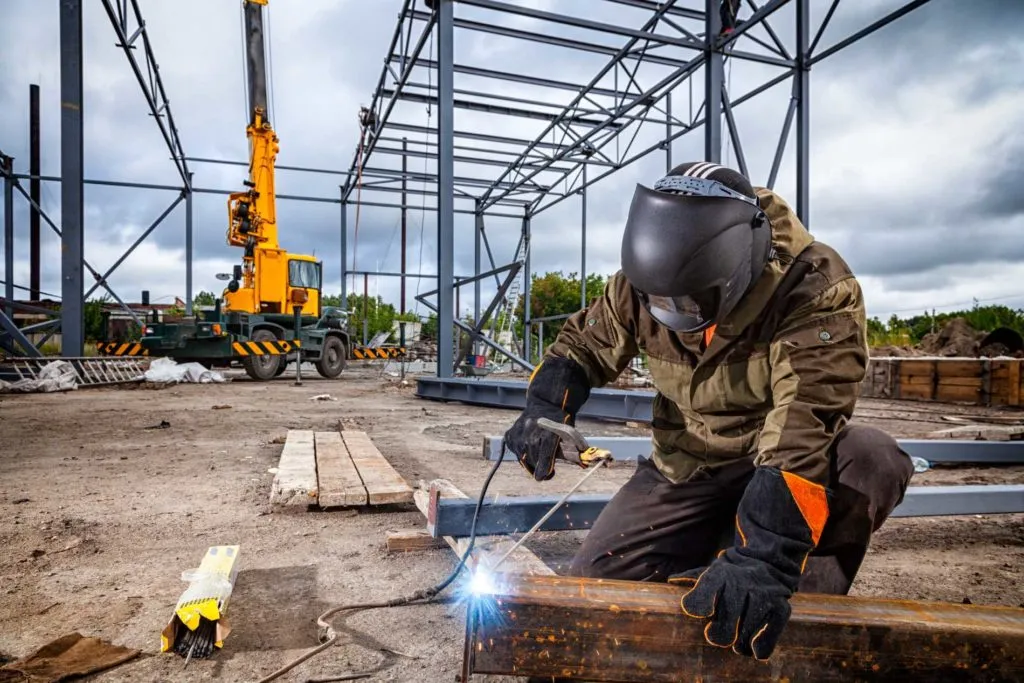
Robotics and automation have revolutionized metal fabrication by taking over repetitive and hazardous tasks. Automated systems increase production speed and ensure a higher level of safety for workers. In Hamilton, the adoption of robotics in fabrication shops is on the rise, leading to more efficient operations.
Impact of Technology on Efficiency
Increased Precision
Technologies such as CNC machining and laser cutting have vastly improved precision in metal fabrication. These advancements enable the creation of intricate and complex designs with unprecedented accuracy. Previously unachievable geometries are now feasible, leading to enhanced product quality and functionality.
Reduced Waste
Technology has significantly minimized material wastage in metal fabrication. Techniques like laser cutting and automated nesting optimize the use of raw materials by minimizing scrap. This not only conserves resources but also lowers production costs, making operations more sustainable and economically viable.
Faster Production Times
Automation and advanced machinery have dramatically accelerated production cycles in metal fabrication. Tasks that once required days or weeks can now be completed in a fraction of the time, often within hours. This speed is crucial for meeting tight deadlines and responding swiftly to market demands. Increased efficiency in production translates to higher output and improved competitiveness for fabrication businesses in Hamilton and beyond.
Cost Implications of Technological Integration
Initial Investment Costs
When incorporating new technologies into metal fabrication, there are substantial initial investment costs involved. High-tech machinery and specialized software necessitate significant financial outlay. However, despite these upfront expenses, the benefits over the long term often outweigh the initial financial commitment.
Long-term Savings
Despite the initial costs, the potential for long-term savings is considerable. This is primarily due to several factors:
- Reduced Material Waste: Advanced technologies allow for more precise material usage, minimizing waste.
- Faster Production Times: Automation and efficient processes enabled by technology can accelerate production schedules.
- Lower Labor Costs: Automation reduces the dependency on manual labor, leading to potential cost savings in staffing.
Over time, these cumulative savings contribute significantly to the overall financial performance of the metal fabrication business. In Hamilton, numerous companies have attested to the transformative impact of technological integration on their operational efficiency and financial health.
Case Studies from Hamilton
Several fabrication companies in Hamilton have successfully integrated advanced technologies. These case studies highlight the initial challenges, the strategies used for implementation, and the resulting benefits. For instance, a local fabrication shop saw a 30% increase in production efficiency after adopting CNC machining and laser cutting technologies.
Enhanced Design Capabilities
Computer-Aided Design (CAD)
Computer-aided design (CAD) software has transformed the design process within metal fabrication. CAD enables designers to craft intricate and precise models that seamlessly translate into production. This capability is particularly advantageous for bespoke fabrication projects in Hamilton.
Complex Geometries and Customization
With advanced technologies, fabricators can now create complex geometries and highly customized products. This flexibility is essential for meeting the unique needs of clients in Hamilton, from architectural components to specialized machinery parts.
Real-World Examples
Hamilton’s thriving metal fabrication industry showcases a wealth of innovative designs made achievable through cutting-edge technology. From exquisitely detailed metal sculptures that adorn public spaces to precisely crafted bespoke components vital for industrial operations, the scope of creativity and utility knows no bounds. These advancements in fabrication technology not only elevate the aesthetic appeal of urban landscapes but also enhance the functionality and efficiency of crucial industrial processes.
Quality Control Improvements
Automated Inspection Systems
Automated inspection systems leverage advanced sensors and software to meticulously verify that fabricated parts adhere to rigorous quality standards. These systems excel at identifying defects and discrepancies that human inspectors might overlook, thereby enhancing overall reliability and quality assurance.
Consistency and Reliability
Technological advancements guarantee that every fabricated part is manufactured with unwavering precision and adherence to predefined standards. This consistency is indispensable in industries where exactitude is critical, such as aerospace and medical device manufacturing, ensuring uniform quality across all products.
Reducing Human Error
The integration of automation within the fabrication process markedly diminishes the likelihood of human error. By automating various production stages, the potential for mistakes is substantially mitigated, resulting in superior product quality and a reduction in costly errors.
Conclusion
Technology has had a profound impact of technology on metal fabrication in Hamilton. From increasing efficiency and precision to enhancing design capabilities and sustainability, the benefits are clear. While there are challenges to overcome, the future looks bright for Hamilton’s metal fabrication industry. By continuing to embrace technological advancements, the city is set to remain at the forefront of this vital sector.
Frequently Asked Questions
1. How has technology transformed the metal fabrication industry in Hamilton?
Technology has revolutionized metal fabrication in Hamilton by introducing advanced machinery such as CNC (Computer Numerical Control) machines, robotic welders, and 3D printing. These technologies have significantly improved precision, efficiency, and the ability to work with complex designs.
2. What are the key benefits of adopting CNC machines in metal fabrication?
CNC machines automate the manufacturing process, enhancing accuracy and repeatability. They allow for intricate cuts and shapes that were previously difficult to achieve manually, thereby improving overall product quality and reducing production time.
3. How has robotics impacted metal fabrication in Hamilton?
Robotics have streamlined operations by performing repetitive tasks like welding, cutting, and material handling with precision and consistency. This automation not only improves efficiency but also enhances worker safety by minimizing direct human involvement in hazardous tasks.
4. What role does 3D printing play in metal fabrication in Hamilton?
3D printing, also known as additive manufacturing, has expanded possibilities in prototyping and small-batch production. It allows for the creation of complex geometries that traditional methods struggle to achieve, offering flexibility and reducing material waste.
5. How has CAD (Computer-Aided Design) software influenced metal fabrication processes?
CAD software enables engineers and designers to create detailed digital models of components and products. This digital representation facilitates simulation, analysis, and optimization before physical production begins, thereby reducing errors and speeding up the design iteration process.


