

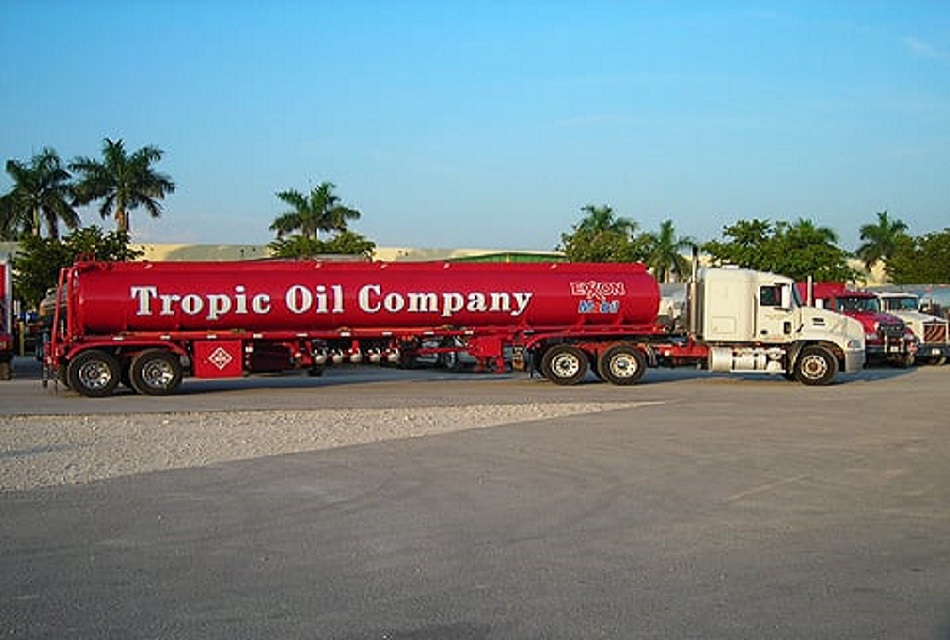
Construction projects depend on reliable equipment, skilled teams, and efficient resource management. Among these essential resources, fuel plays a critical role in keeping heavy machinery, generators, vehicles, and other equipment operating without unnecessary interruptions. Poor quality or inconsistent delivery schedules can slow down operations, increase maintenance costs, and create avoidable project delays. Reliable construction fuel services help contractors stay productive by ensuring equipment gets the right fuel at the right time. Understanding how quality and delivery affect construction operations helps businesses make informed decisions when managing projects.
Table of Contents
- Why Fuel Quality Matters on Construction Sites
- How Reliable Fuel Delivery Supports Construction Operations
- Choosing the Right Fuel Services for Construction Projects
- The Role of Fuel Services in Florida Construction Projects
- Best Practices for Managing Construction Fuel Supply
- How Technology Improves Construction Fuel Management
- Understanding the Value of Professional Construction Fuel Support
- Conclusion
Why Fuel Quality Matters on Construction Sites
Heavy construction equipment is designed to handle demanding workloads, but its performance depends greatly on construction fuel quality. Contaminated or low-quality reduce engine efficiency, increase wear on internal components, and cause unexpected equipment downtime. When unwanted particles or moisture enter systems, they can damage injectors, filters, and other important components.
High-quality construction fuel helps support:
- Better equipment performance
- Reduced engine stress
- Fewer maintenance concerns
- More consistent project operations
Contractors working with excavators, loaders, cranes, generators, and other heavy machinery should prioritize quality as part of their overall equipment management strategy.
How Reliable Fuel Delivery Supports Construction Operations
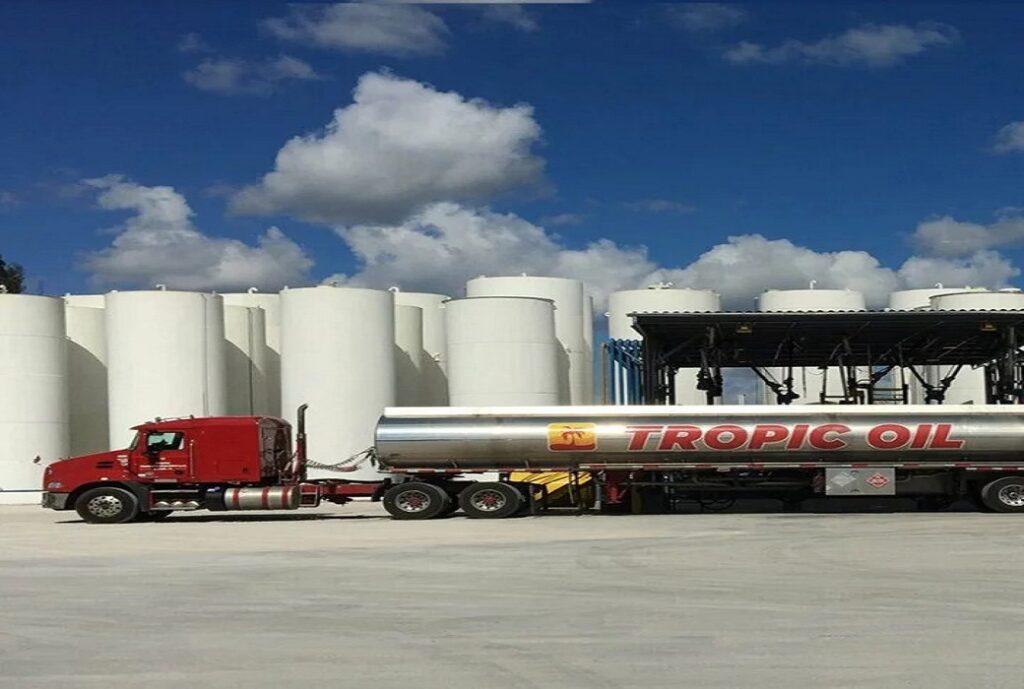
Construction sites often operate under strict deadlines. It can delay multiple areas of a project, including labor schedules, equipment availability, and completion timelines. This lets operators and project managers focus on construction instead of managing logistics.
A reliable delivery provider can support projects through:
Scheduled Fuel Deliveries
Regular delivery schedules help prevent unexpected shortages. It providers can coordinate deliveries based on equipment usage, project size, and operational requirements.
On-Site Fuel Management
Many construction sites require customized solutions due to their location, equipment volume, and working hours. Proper planning ensures fuel is available when machinery needs it most.
Emergency Support
Unexpected fuel requirements can happen during extended work periods or large-scale projects. Access to 24/7 construction site fuel services can provide additional support when urgent supply needs arise.
Choosing the Right Fuel Services for Construction Projects
Every construction project has different requirements. A small residential development may have different needs compared to a large infrastructure project involving multiple machines and generators.
Construction companies should consider several factors:
Delivery Reliability
A dependable provider should be able to deliver according to project schedules and changing demands. Consistent service reduces the risk of equipment downtime.
Industry Experience
Experience with construction environments allows providers to understand jobsite challenges, safety considerations, and operational demands.
Additional Equipment Support
Beyond fuel supply, some projects may benefit from construction lubricants service to maintain equipment performance and reduce mechanical wear.
The Role of Fuel Services in Florida Construction Projects
Weather conditions, including heat and humidity, can create additional challenges for equipment maintenance and fuel management. Florida’s construction industry includes residential development, commercial projects, road improvements, and infrastructure expansion. These projects often require dependable solutions due to demanding schedules and year-round operations.
Businesses looking for construction fuel services in Florida often require solutions that can adapt to changing jobsite conditions while maintaining consistent supply levels. A planned strategy helps contractors reduce interruptions and improve overall project efficiency.
Best Practices for Managing Construction Fuel Supply
Effective management involves more than ordering deliveries when supplies run low. Construction companies can improve operations by following practical management practices.
Monitor Fuel Usage
Tracking fuel consumption helps project managers estimate future requirements and identify unusual changes that may indicate equipment issues.
Maintain Proper Storage
Fuel storage areas should follow safety guidelines and protect from contamination. Proper storage conditions help preserve quality over time.
Plan Deliveries Ahead
Planning ahead reduces the risk of shortages during critical project phases. Coordinating deliveries with equipment schedules improves workflow efficiency.
Support Equipment Maintenance
Fuel quality and equipment maintenance go hand in hand. Using appropriate lubricants and maintenance products can help extend equipment life and improve reliability.
How Technology Improves Construction Fuel Management
Technology has changed how construction companies manage fuel usage and deliveries. Digital monitoring systems can provide better visibility into consumption patterns, inventory levels, and delivery schedules.
Fuel management technology can help businesses:
- Identify unusual consumption patterns
- Improve delivery planning
- Increase operational control
These tools allow construction teams to make data-driven decisions and improve resource management throughout a project.
Understanding the Value of Professional Construction Fuel Support
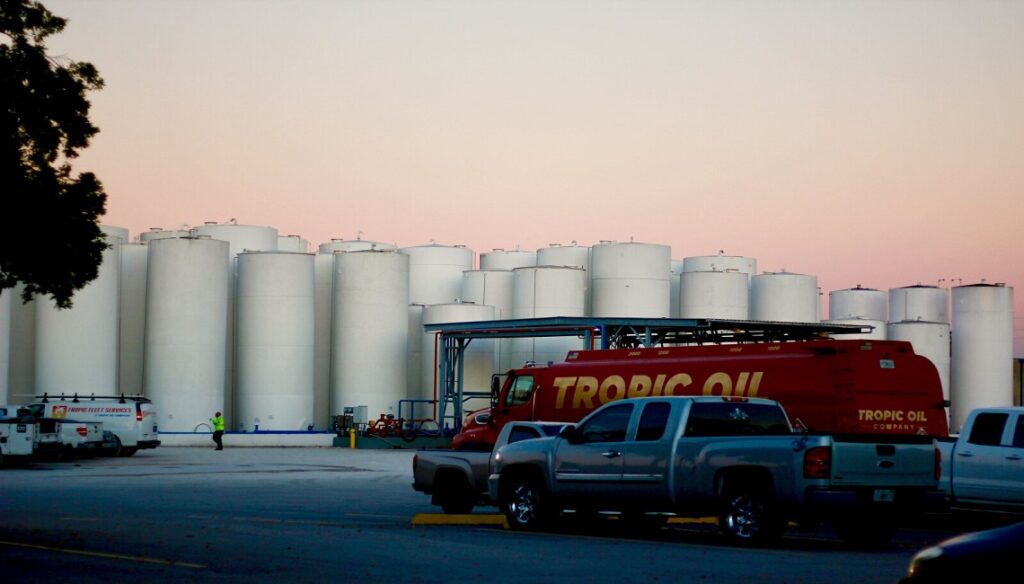
Fuel management is an important part of construction planning because equipment performance directly affects project progress. Working with an experienced provider helps businesses maintain a stable supply while reducing operational challenges. Tropic Oil provides fuel solutions designed to support construction operations with dependable delivery options and quality-focused service.
Whether a project requires regular deliveries, specialized products, or additional support services, a structured plan can support safer, more productive construction operations.
Frequently Asked Questions
Why is fuel quality important for construction equipment?
Fuel quality is important because it directly affects engine performance, efficiency, and equipment reliability. Clean, properly stored fuel can help reduce contamination-related issues and unnecessary maintenance.
How often should construction sites schedule fuel deliveries?
Delivery frequency depends on equipment usage, project size, and fuel consumption rates. Regular monitoring helps determine the right delivery schedule for each jobsite.
What types of equipment use construction fuel?
Construction fuel is commonly used for excavators, bulldozers, loaders, cranes, generators, trucks, and other heavy-duty equipment used on job sites.
Can fuel providers deliver directly to construction sites?
Yes, many fuel providers offer jobsite delivery services that supply equipment directly at construction locations, reducing downtime and improving convenience.
What are the benefits of having emergency fuel support?
Emergency fuel support helps construction companies manage unexpected shortages and keep operations running during extended hours or urgent project situations.

Conclusion
Fuel quality, reliable delivery, and proper management are essential components of successful construction operations. A dependable strategy helps protect equipment, reduce interruptions, and support project timelines. From scheduled deliveries to specialized maintenance support, professional solutions give construction companies the resources they need to operate efficiently. Businesses planning construction projects can improve productivity by selecting services that match their operational needs.
Reliable fuel planning helps keep construction equipment running efficiently and reduces unnecessary interruptions. Find a Tropic Oil location near you to explore fuel products suited to your project requirements.


