

Sudden appetite loss, repeated vomiting, painful limping, and eye problems can warrant same-day veterinary assessment. Breathing difficulty, collapse, severe bleeding, or inability to urinate require immediate emergency care. Call a veterinary team for guidance when you are unsure which level of care your pet needs.
Table of Contents
- What Is a Same-Day Vet Visit?
- Vomiting or Diarrhea That Is Repeated or Worsening
- Appetite Loss and Sudden Behavior Changes
- Limping and Signs of Pain
- Painful Ears or Sudden Eye Problems
- Urinary Changes That Should Not Be Ignored
- Warning Signs That Need Emergency Care Now
- How to Find Appropriate Care Today
- What to Tell the Veterinary Team
- What to Do While Arranging the Visit
- What Happens During a Same-Day Assessment?
- Act on Changes Without Guessing the Cause
- Frequently Asked Questions
- Does one episode of vomiting require a same-day visit?
- Should I wait if my cat stops eating but seems alert?
- Is limping urgent if my dog is not crying?
- Can I walk into a veterinary hospital without an appointment?
- What if the clinic is open but cannot see my pet?
- Should I cancel if my pet seems better before the visit?
Your dog refuses breakfast, or your cat suddenly spends the morning hiding. Neither can explain whether they feel nauseous, painful, or frightened.
These situations leave owners asking a difficult question: can this wait until tomorrow?
The answer depends on the symptoms, their severity, and your pet’s overall health. Recognizing important changes helps you seek appropriate care.
What Is a Same-Day Vet Visit?
A same-day visit provides an opportunity to assess a new concern promptly. It may involve a scheduled sick appointment or walk-in urgent care.
For owners contacting a veterinarian in Encino, describing symptoms clearly helps the team recommend the next step. Explain when the problem started and whether it is worsening.
Same-day appointments are useful for concerns that need attention without obvious life-threatening signs. However, an emergency should never wait for an available appointment.
Veterinary triage means assessing which patients need immediate help and which can safely wait. The team may recommend a different hospital when necessary.
Vomiting or Diarrhea That Is Repeated or Worsening
One isolated episode and repeated vomiting are different situations. Other symptoms help determine how urgently your pet needs assessment.
Call promptly if vomiting continues, your pet cannot keep water down, or their energy drops. Mention any blood or suspected swallowed object.
Cornell explains that unresolved vomiting can cause dehydration and disturb the body’s electrolyte balance. These changes can become serious.
Diarrhea also deserves closer attention when combined with vomiting, weakness, or poor appetite. Young, elderly, and already unwell pets need particular consideration.
Some mild diarrhea resolves without treatment, but worsening symptoms change the situation. Ask your veterinarian whether monitoring is appropriate.
Do not start human stomach medicines or impose a fasting plan yourself. Ask for feeding and hydration instructions suited to your pet.
Appetite Loss and Sudden Behavior Changes
A missed meal can have many explanations. However, appetite loss combined with hiding, weakness, or discomfort deserves a prompt call.
Tell the clinic what your pet actually ate. Eating a few treats is different from finishing normal meals.
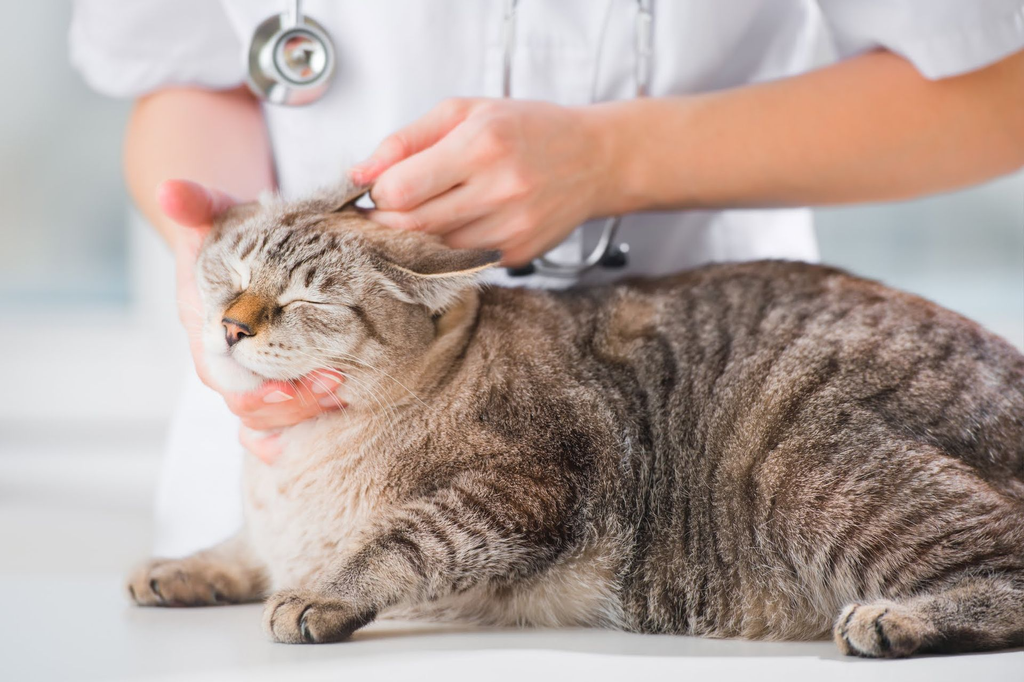
Cats need particular attention when they stop eating. Cornell warns that persistent appetite loss can affect an adult cat’s health within 24 hours.
That is not a universal safe waiting period. Call earlier if your cat seems unwell or has an existing condition.
Also report sudden withdrawal, unusual restlessness, or reluctance to move. Changes from normal behavior can help the veterinarian assess discomfort.
Limping and Signs of Pain
Pets do not always cry when they hurt. Limping, guarding a body part, or avoiding usual activities may indicate pain.
AAHA identifies favoring a limb and stiffness among signs that warrant veterinary assessment. Changes in behavior can also provide useful clues.
Call for same-day guidance if your pet suddenly limps or struggles to move comfortably. Describe whether they can bear weight.
An obvious fracture, major accident, or inability to stand requires emergency attention. Do not repeatedly test the painful area.
Limit activity while arranging care. Ask the team how to transport your pet without increasing discomfort.
Painful Ears or Sudden Eye Problems
Repeated head shaking, ear scratching, discharge, or sensitivity can indicate an ear problem. These signs deserve assessment rather than repeated home cleaning.
Cornell notes that ear infections can be painful. Vigorous scratching and shaking can also damage the ear flap.
Ask about a prompt appointment, especially when discomfort is pronounced. Avoid using leftover drops without advice.
Eye problems require careful attention too. Sudden squinting, holding an eye closed, or changes in appearance should be reported promptly.
Cornell recommends veterinary care for sudden eye changes and signs such as squinting. Some eye conditions can threaten vision.
An injured eye or sudden loss of vision warrants urgent assessment. Do not assume redness is simply an allergy.
Urinary Changes That Should Not Be Ignored
Frequent bathroom attempts, discomfort, or blood in urine need veterinary advice. Explain whether your pet is passing a normal amount.
A cat repeatedly straining while producing little or no urine may have a urinary obstruction. This is an emergency, particularly in male cats.
Cornell explains that complete obstruction can rapidly cause life-threatening changes. Immediate treatment is essential.
Owners sometimes mistake urinary straining for constipation. Tell the clinic what you observe rather than assuming the cause.
Do not wait for a routine appointment when your pet cannot pass urine. Seek emergency care immediately.
Warning Signs That Need Emergency Care Now
Some symptoms require immediate action rather than a same-day booking. AAHA highlights several important emergency signs.
Seek emergency veterinary help for:
- Difficult breathing, choking, or blue or gray gums.
- Collapse, unconsciousness, or seizures.
- Severe bleeding or major trauma.
- Repeated unsuccessful vomiting with abdominal swelling.
- Little or no urine despite repeated straining.
- Suspected poisoning or a dangerous swallowed object.
This list is not exhaustive. A rapidly worsening condition also needs immediate guidance.
Call the receiving hospital when possible, without delaying travel. Describe the emergency so the team can prepare.
How to Find Appropriate Care Today
Start with your regular clinic if doing so will not delay emergency treatment. Ask about a sick appointment or recommended alternative. When calling a vet near you, explain the symptoms before asking about availability. An open clinic may still have limited capacity.
Confirm whether the hospital accepts walk-ins and whether it can handle your pet’s concern. Ask about overnight care when relevant.
For example, Encino Pet Hospital & Emergency offers daytime urgent care and same-day sick visits. Availability should be confirmed by phone.
Dr. Ashkan Farahany, DVM, serves as medical director and has experience in emergency medicine. Appropriate care still depends on the individual case. When choosing a veterinary hospital near you, consider the care needed alongside distance. Some patients require specialist treatment or overnight monitoring.
What to Tell the Veterinary Team
Clear information makes the initial discussion more useful. Prepare a short timeline instead of trying to diagnose the problem.
Share:
- Your pet’s age and existing medical conditions.
- When symptoms began and how they changed.
- Food, water, and bathroom changes.
- Medication names and recent doses.
- Possible exposure to toxins or foreign objects.
- Recent surgery, injuries, or treatment.
Bring records when available, but do not delay emergency care to collect paperwork. Photos or short videos may help explain intermittent symptoms.
Ask how to send them before arrival. Record your pet only when safe and without adding stress.
What to Do While Arranging the Visit
Keep your pet secure and limit unnecessary handling. Painful or frightened animals may react differently than usual.
Ask the clinic for transport, food, water, and medication instructions. Do not give human painkillers or another pet’s prescription.
AVMA explains that first aid supports an animal until veterinary care is available. It does not replace professional treatment.
Do not induce vomiting unless a veterinary professional directs you. Bring suspected toxin packaging when safe to do so.
Tell the team immediately if symptoms worsen while waiting. The recommended level of care may change.
What Happens During a Same-Day Assessment?
The veterinarian reviews the history and examines your pet. Tests may be recommended according to the findings.
Ask what each test could clarify and how results might affect treatment. Discuss costs before approving additional services.
Before leaving, request a clear home-care plan. Confirm medication instructions, expected progress, and warning signs.
If you attend a different clinic, ask for records to reach your regular veterinarian. Arrange follow-up within the recommended timeframe.
Act on Changes Without Guessing the Cause
You do not need to identify the illness before asking for help. Your observations provide the starting point.
Prompt assessment can clarify whether your pet needs treatment, monitoring, or referral. Serious symptoms require immediate action.
If your pet seems suddenly unwell, contact your veterinary team today. Describe the changes and ask where they should be assessed.
Frequently Asked Questions
Does one episode of vomiting require a same-day visit?
Not always. Call for guidance if vomiting repeats or occurs with weakness, pain, blood, or other concerning changes.
Should I wait if my cat stops eating but seems alert?
Contact your veterinarian promptly. Alertness does not rule out illness, and prolonged appetite loss can harm cats.
Is limping urgent if my dog is not crying?
It can be. Dogs may show pain through limping without vocalizing. Ask about assessment for sudden or painful changes.
Can I walk into a veterinary hospital without an appointment?
Some hospitals accept walk-ins. Call ahead when possible to confirm availability and appropriate care for your pet.
What if the clinic is open but cannot see my pet?
Ask for another suitable hospital. Emergency symptoms should not wait for a cancellation or routine appointment.
Should I cancel if my pet seems better before the visit?
Call the clinic before canceling. Explain the improvement and earlier symptoms so the team can advise appropriately.


